

Endgame has never been a single destination. Across expansions, its identity has shifted in focus, structure, and expectation. While systems change, the purpose remains consistent: to offer direction, challenge, and meaning once progression slows.
This article explores how endgame identity evolved across expansions and why it continues to feel familiar despite constant change.
Early Endgame Defined by Commitment
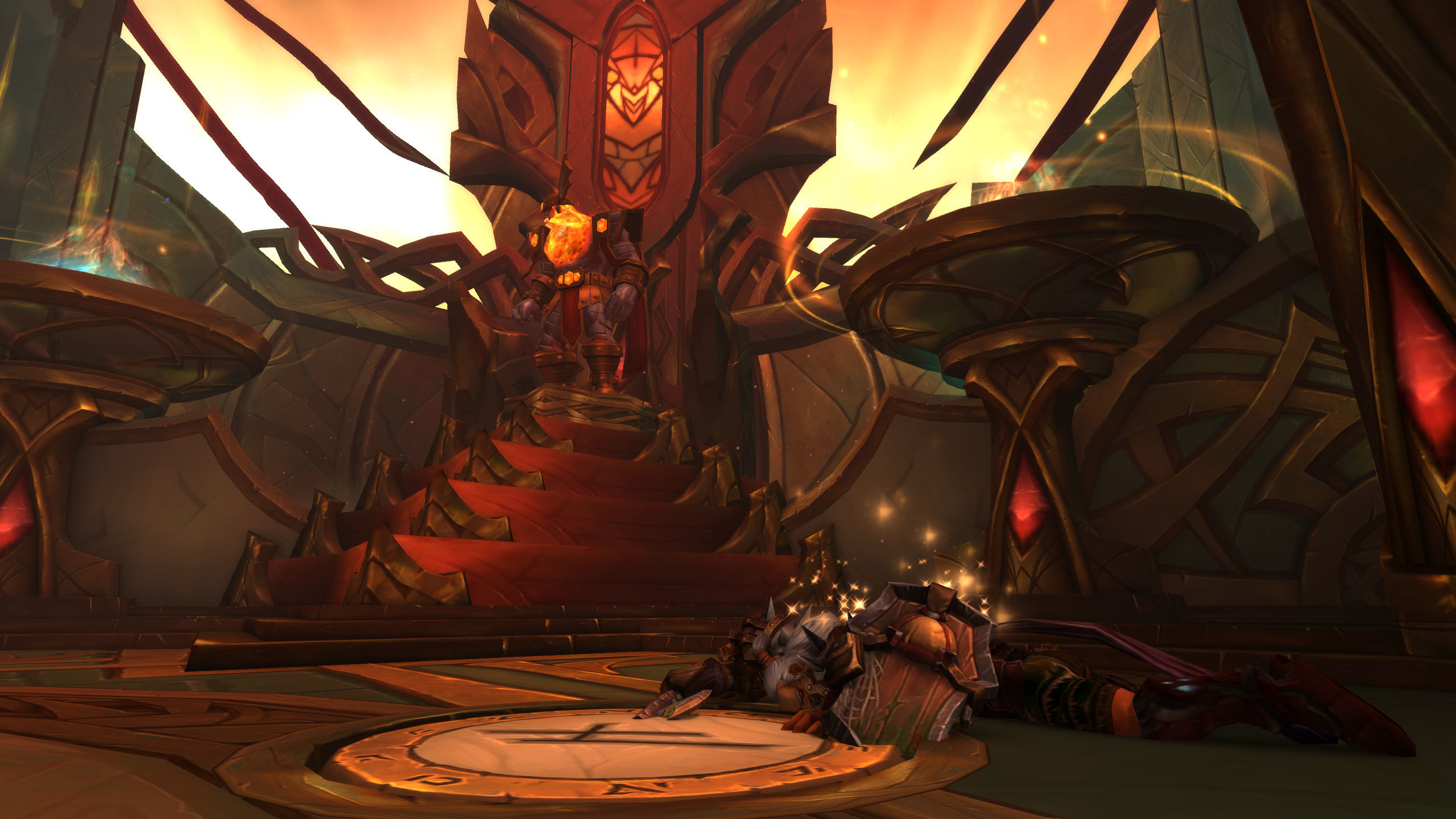
In earlier eras, endgame demanded time and coordination. Progress unfolded slowly, and access itself felt like an achievement.
Exclusivity shaped identity.
Diversification Expanding Participation
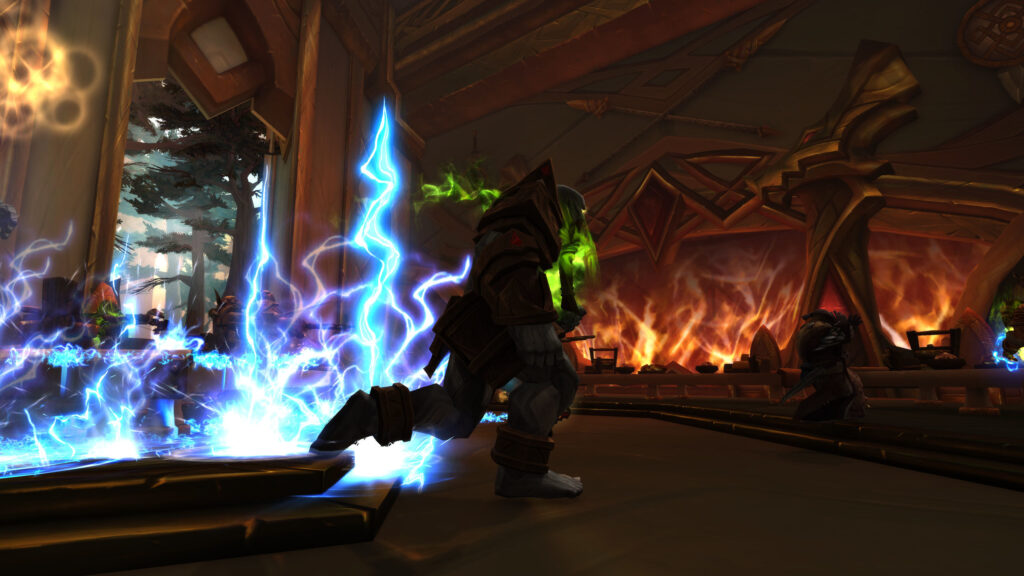
Over time, endgame broadened. Multiple paths emerged, allowing different playstyles to coexist.
Choice replaced singular focus.
How Endgame Identity Shifted Over Time
Each expansion adjusted emphasis while preserving core intent.
| Endgame Focus | Primary Appeal | Identity Outcome |
|---|---|---|
| Raid-centric eras | Coordination and mastery | Prestige-driven play |
| Dungeon-focused seasons | Repeatable challenge | Skill expression |
| System-heavy expansions | Progression layers | Personal optimization |
Consistency Beneath Change
Despite different systems, endgame always provides structure. Goals remain clear, even as methods evolve.
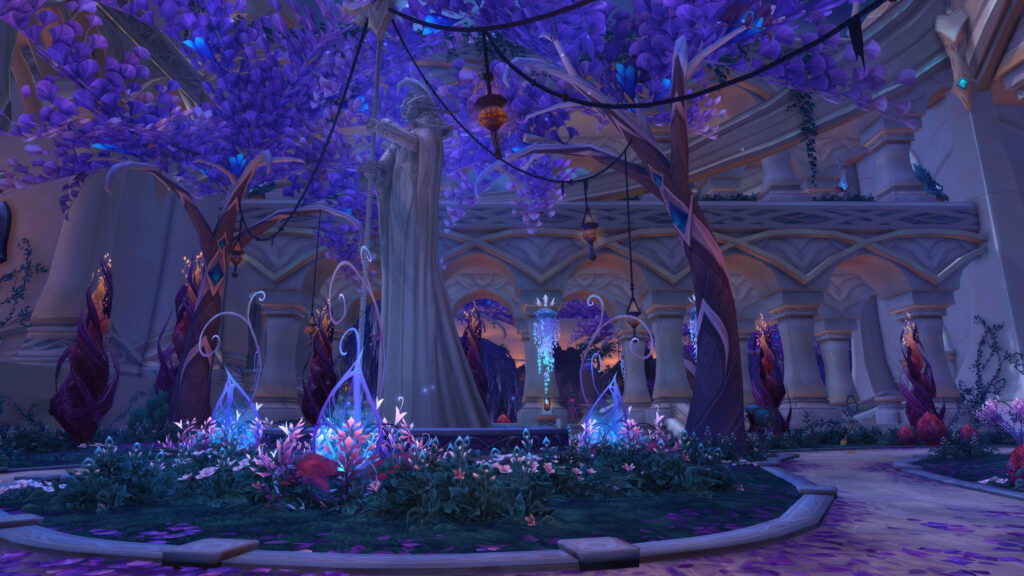
Purpose stays constant.
Why Endgame Feels Recognizable
Players carry habits forward. Experience bridges expansions, preserving identity through familiarity.
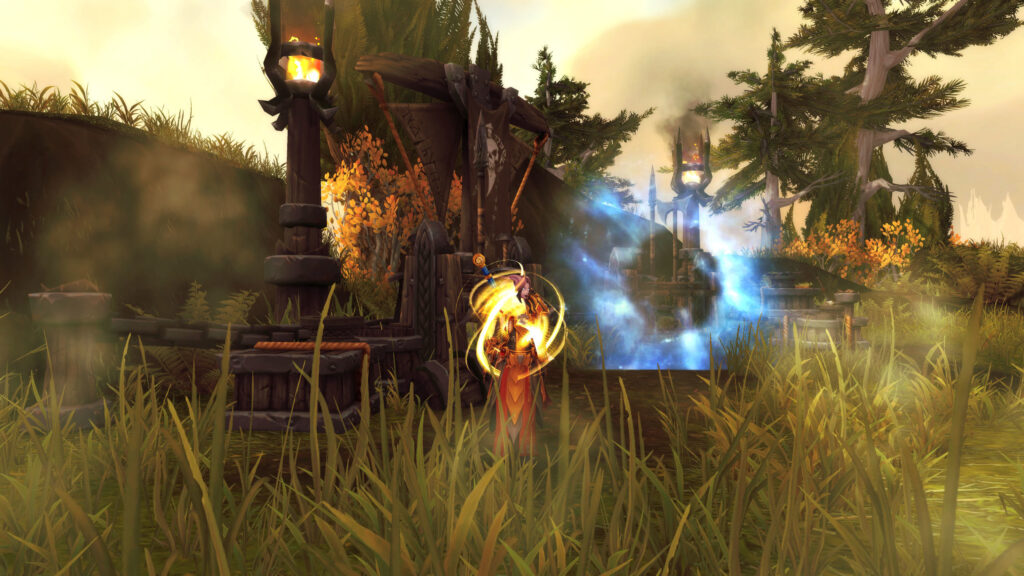
Memory anchors continuity.
Conclusion
World of Warcraft endgame identity evolved across expansions by adapting structure without losing purpose. While systems change, the role of endgame as a source of direction and mastery remains intact. This balance allows renewal without erasing identity.