

Over twenty years after launch, World of Warcraft continues to evolve—not just in gameplay or graphics, but in inclusivity. Accessibility has become one of Blizzard’s core focuses, ensuring that players of all abilities, backgrounds, and playstyles can experience Azeroth without barriers. What was once a niche MMO for the hardcore has grown into a welcoming, adaptive world for everyone.
This article explores how accessibility in WoW has expanded over the years, transforming the game into one of the most inclusive experiences in online gaming.
Early Challenges and Community Adaptation
In its early days, WoW offered few accessibility options. The interface was static, color contrast was limited, and sound cues were basic. Players with disabilities often relied on third-party add-ons or community workarounds to participate fully in raids or PvP. Despite these challenges, the game’s community developed remarkable support systems—guilds that adapted encounters and strategies to include everyone.
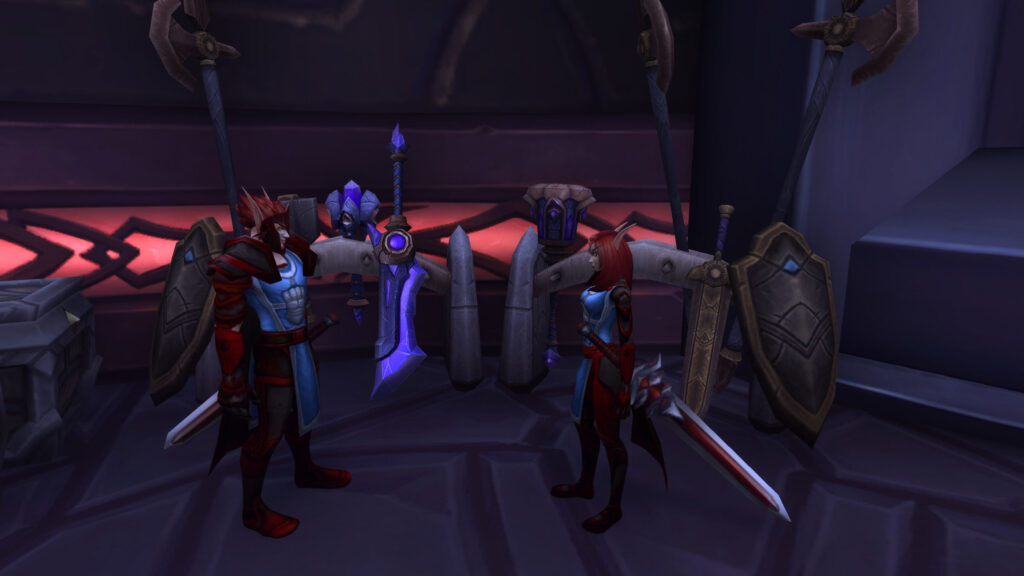
These grassroots solutions paved the way for Blizzard’s future accessibility philosophy: build tools that empower, not restrict.
Interface Evolution and Player Empowerment
Over time, Blizzard overhauled the UI to accommodate more players. Adjustable font sizes, scalable frames, customizable keybinds, and high-contrast targeting options all made navigation more intuitive. Players could personalize the game to match their physical and cognitive preferences, creating a smoother and more comfortable experience.
Features like Action Camera, UI Accessibility Menu, and colorblind filters became essential milestones, proving that inclusivity could coexist with immersion.
Audio and Visual Accessibility Improvements
Accessibility isn’t limited to visuals. Blizzard introduced sophisticated audio cues, speech-to-text chat, and environmental narration for visually impaired players. Meanwhile, visual indicators—such as screen flashes and vibration feedback—aid those with hearing difficulties. The result is a world that communicates through multiple senses rather than one.
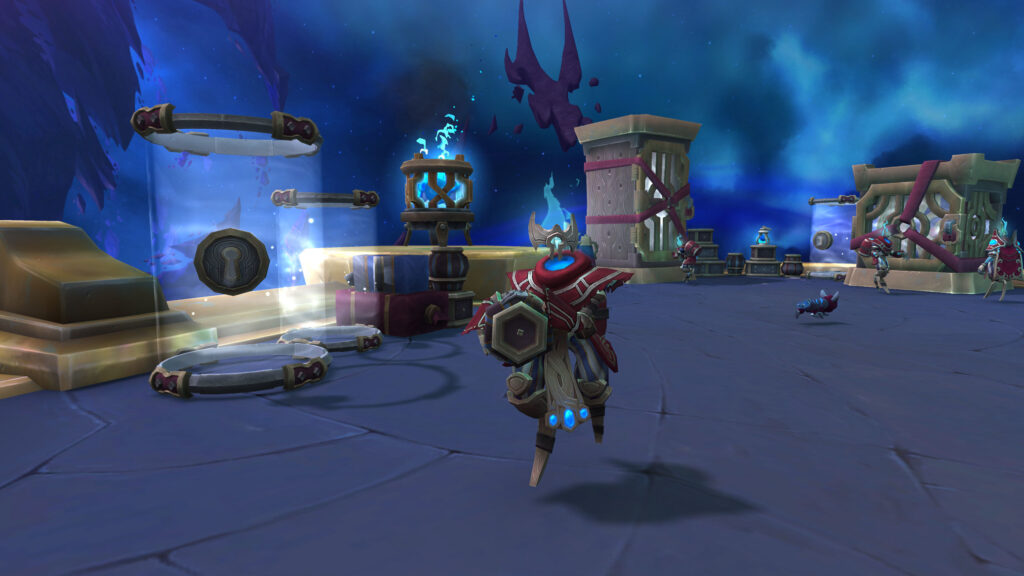
These features not only improve accessibility but also enrich immersion for all players, making every dungeon, raid, and dialogue more dynamic and expressive.
| Feature | Introduced In | Accessibility Benefit |
|---|---|---|
| Colorblind Mode | Warlords of Draenor | Improves visual clarity for UI and effects |
| Speech-to-Text & Text-to-Speech | Shadowlands | Enables inclusive communication |
| UI Scale & Custom Layouts | Dragonflight | Enhances visual comfort and usability |
Social Inclusion and Game Design Philosophy
Accessibility goes beyond mechanics—it’s also about community design. Blizzard’s modern approach encourages collaboration without exclusion. Queue systems like Group Finder and Solo Shuffle let players join activities at their own pace, while mentoring systems and role tutorials make it easier for newcomers to learn without fear of failure.
By rethinking how content is accessed, Blizzard fosters a more welcoming environment that celebrates participation over performance.
Cross-Play, Controller Support, and Modern Tools
In 2025, Blizzard continues to refine accessibility through cross-platform and controller integration. Players can now experience WoW comfortably using gamepads, adaptive devices, and even mobile-linked controls. The new Accessibility API enables third-party developers to build assistive tools for motor and sensory support.

This flexibility opens Azeroth to an even wider audience, ensuring that no player is left behind due to hardware or physical limitations.
Community Advocacy and Representation
The accessibility movement in WoW isn’t driven by Blizzard alone—it’s powered by players. Advocates and streamers raise awareness, share add-on guides, and push for ongoing improvement. Representation in both player characters and NPCs has expanded too, embracing diverse identities and body types.
This collaboration between players and developers reinforces one truth: accessibility is not a trend, but a foundation of modern gaming culture.
The Future of Accessibility in WoW
Looking ahead, WoW’s accessibility roadmap continues to evolve. Features like automatic quest narration, real-time subtitles in cutscenes, and customizable sensory profiles are already in development. Blizzard’s ongoing commitment suggests that accessibility will remain central to the game’s identity for years to come.
With each update, Azeroth becomes more than a world of adventure—it becomes a world where everyone belongs.
Conclusion
Blizzard’s dedication to accessibility has transformed WoW from a complex MMO into a global experience that welcomes all players. By integrating thoughtful design, modern technology, and community collaboration, the game continues to expand both its reach and its heart.
Accessibility isn’t about simplifying Azeroth—it’s about ensuring everyone has the chance to live their own story within it.